Student presentation examines “Social Equity Programs: A Form of Reparations?”
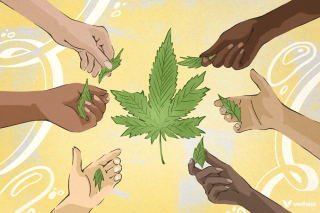
In 2014, Ta-Nehisi Coates published The Case for Reparations, calling out the lack of compensation to newly freed Black people following the Emancipation Proclamation. The article describes systematic barriers to racial equality throughout history, reviewing how discriminatory housing policies have contributed to cycles of generational poverty for Black Americans. In 2021, the PEW Research Center found the typical white household had 9.2 times as much wealth as the typical Black household. The Case for Reparations demonstrates these vast inequalities are due to long-term systematic racism and suggests various forms of compensation to repair the harm to African Americans.
Using this framework of reparations, my presentation will analyze the role of social equity licensure programs in the cannabis industry. If managed with efficacy, these programs can provide a piece of financial reparations for African Americans. Many minoritized groups have been disparately impacted by marijuana criminalization, including communities of color, Indigenous people, and Queer communities, to name a few. This presentation will center the perspective of Black communities, tracing the harm from 17th-century Antebellum slavery to today’s marijuana legalization landscape.
Ohio’s Issue 2 enacted a Social Equity and Jobs Fund, which will allocate funds to diversify industry participation, invest in communities disparately impacted by marijuana laws, and provide criminal justice reform. Are state cannabis licensures reigniting a national conversation of reparations? Do these programs inspire the conversation of reparations in policy areas outside of marijuana? Analyzing programs in Ohio, Illinois, and Michigan, this presentation explores the shortcomings and challenges of social equity programs, and potential paths forward to create reparations for African American communities.
Recommended Reading:
Coates, Ta-Nehisi, The Case for Reparations, The Atlantic. (June 2014).
Eva McKend, Hemp Roots: The History of Hemp in Kentucky, Spectrum News 1 (Oct. 2, 2019).
Jana Hrdinova & Dexter Ridgway, Mapping Cannabis Social Equity: Understanding How Ohio Compares to Other States’ Post-Legalization Policies to Redress Past Harms, Drug Enf’t & Pol’y Ctr. (Jan. 30, 2024).
Katherine Hendy, Amanda Mauri, & Melissa Creary, Bounded Equity: The Limits of Economic Models of Social Justice in Cannabis Legislation. Contemp Drug Probl. (Jan. 13, 2023).
Rakesh Kochhar & Mohamad Moslimani, Wealth Surged in the Pandemic, but Debt Endures for Poorer Black and Hispanic Families, PEW Rsch. Ctr. (Dec. 4, 2023).