
More reform in Native lands: “Warm Springs tribes approve marijuana sales in historic vote”
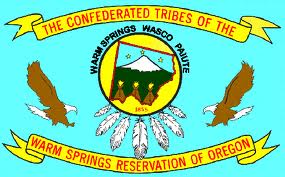
Members of the Confederated Tribes of Warm Springs said yes to growing, processing and selling marijuana on the recreational market in a historic vote Thursday that drew record turnout, tribal officials said.
The referendum passed with 86 percent approval, said Don Sampson, CEO of Warm Springs Ventures, the tribes’ economic development corporation, the group behind the proposal. Sampson said Friday that the election drew about 1,400 voters who “turned out even in a winter storm.” Voter turnout among younger tribal members was especially strong.
Sampson called the vote “democracy in action” and said the tribes’ marijuana enterprise will being “much needed jobs and revenue to the Warm Springs people.” “Tribal citizens demonstrated the power of their vote,” he said.
He said the tribe will develop a “model” of regulated cannabis for other tribes to follow nationwide.
Warm Springs is the latest Native American tribe to enter the regulated marijuana market. Legal experts estimate that no more than a dozen tribes nationwide have started up marijuana enterprises. The Warm Springs proposal calls for production and processing at a facility on the reservation with marijuana sales at three tribal run stores off the reservation. Marijuana possession, while legal in Oregon, remains illegal on the warm springs reservation.
Thursday’s vote is the first step in the process of entering the market. The tribe will meet with officials in Gov. Kate Brown’s office to hash out the conditions under which the enterprise will operate. Two tribes in Washington recently brokered historic agreements with the state to sell marijuana on the state’s recreational market.
Regular readers know that I have given particular attention to marijuana reform efforts among Native American communities, in large part because I think these communities, if they become active in the legalized marijuana industry, are likely to further advance the need for the federal government to give up on marijuana prohibition sooner rather than later.