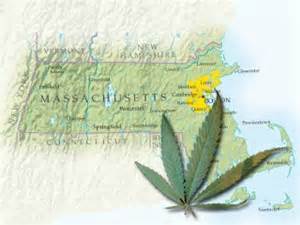
In preparation for coming reforms, UMass to study marijuana use in Bay State before start of recreational sales
The investigation will be funded by a $275,000 contract from DPH as part of the DPH Marijuana Baseline Health Study to provide public health officials, legislators and others with information to assess baseline rates and patterns of marijuana use, related risk behaviors such as use in combination with alcohol, prescription drugs and impaired driving. They will also look at outcomes such as marijuana-related visits to emergency departments or urgent care facilities. Public health professors Rosa Rodríguez-Monguió and Jennifer Whitehill will lead the research at SPHHS.
David Buchanan, SPHHS chair of health promotion and policy, helped to organize two forums last year for Massachusetts lawmakers to hear about impacts of legalization in Colorado and Washington State. He says that agency directors in both states strongly recommend pre/post studies to evaluate the impact. After the forums, the Senate Special Committee on Marijuana unanimously recommended that a baseline study be conducted in Massachusetts, and it was later mandated as part of legislation passed in December 2016 that tweaked the ballot question passed by the voters.
As part of the baseline study, Whitehill and Rodríguez-Monguió have designed a statewide survey plus other studies that will complement the efforts of investigators from DPH, John Snow, Inc., Mathematica Policy Research, and the UMass Donahue Institute. Findings from the various lines of investigation will be presented to a legislative committee in July 2018.
Rodríguez-Monguió says one question to be addressed with the collection of new survey data is whether increased marijuana availability leads to increased use of other substances, particularly alcohol and prescription drugs, or whether marijuana use might serve as a substitute for prescription drugs and other substances. The UMass Amherst team will also analyze several existing national and state databases to explore associations between recreational marijuana, alcohol and prescription drug use, and involvement in fatal car crashes and calls to poison control.