Interesting review of what has become of Amsterdam’s famous “coffee shops” in the COVID era
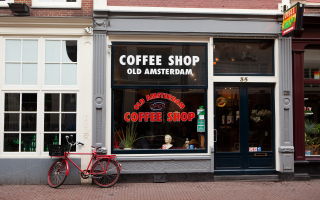
Dutch coffee shops never closed completely during the pandemic as they were classed as essential businesses, unlike restaurants, cafes and nightclubs.
But the cannabis cafes have been dealt a catastrophic blow due to a lack of the international tourists who were responsible for a large share of their revenue. And while some have adapted to a new way of life, there are fears from those who work in them that they’re in danger of vanishing….
Pre-pandemic, the cafe was usually full during the week, noisy and buzzing with atmosphere as people socialized with each other while smoking a marijuana cigarette or eating a cannabis brownie. but on a Thursday afternoon in early February, there’s just one person sitting inside, working on a laptop while sipping a cup of coffee and smoking a cannabis joint.
“In my coffee shop it’s been very empty and boring,” says Nick. “But other coffee shops [outside the center] are busier than ever due to takeaway demand. During coronavirus, everybody is sitting at home and smoking.”
Over half of the capital’s 167 coffee shops are in the center and heavily reliant on tourism, says Joachim Helms of the coffee shop owners’ association BCD. “The coffee shops in the center were really in survival mode [during the past two years],” he says. Government financial aid allowed them to stay afloat, but this only covered their rent and furlough for staff, and they struggled to make any revenue, Helms says.When coronavirus overwhelmed Europe in March 2020, the Dutch government announced a strict lockdown and ordered all hospitality to close, including coffee shops. This decision was reversed almost immediately after people started buying cannabis illegally. “The government worried that if they kept the coffee shops closed, people would turn to the streets and illegal dealers,” says Helms. The shops were allowed to stay open, even during the strictest lockdowns, for takeaway service….
“The takeaway business has been really good,” says Maeve Larkin, who works in Hunters coffee shop in the center. “People tend to buy bigger amounts [than when they consume it in the cafe].”…
Even though the lockdown has ended, strict rules remain in place for the entire Dutch hospitality sector. All customers must show a vaccination pass, in the form of a QR code on their phones, to buy cannabis in a coffee shop, maintain a 1.5-meter distance while inside and wear masks while ordering. Coffee shops must stop serving at 10 p.m., but are allowed to stay open until midnight for takeout. These rules make it difficult for coffee shops to accommodate a large number of customers and encourage people to stay inside, instead of buying takeout.
Helms says that lockdown restrictions have changed the culture of Amsterdam’s coffee shops. “The foundation of the coffee shop policy is that there are places where you can consume cannabis in a responsible and safe way and where you can meet people from all around the world,” he says.
“The whole point of coffee shops in Amsterdam is the relaxed vibe and the culture of it. That’s gone now,” says Larkin, adding that the current situation reminds her of the US model, where in certain states people can buy cannabis from dispensaries. “Now there’s two people at a table and there’s no spontaneity anymore. This cafe and the surrounding area used to be packed all the time, now it’s just dead.”