Student presentation examines “Lessons from Big Tobacco and Big Alcohol for Cannabis Regulation”
The expansion of marijuana legalization in the United States is giving rise to questions regarding how “Big Marijuana” should be regulated. As marijuana continues to be legalized at the state level, there is an expectation that “Big Marijuana” will soon be formed. Insights from the regulatory landscapes of the tobacco and alcohol industries can provide valuable lessons for shaping the future of cannabis regulation. For instance, Big Tobacco and Big Alcohol have historically used marketing tactics to appeal to non-users and youth in an attempt to gain new consumers. In particular, the history of tobacco regulation highlights the adverse consequences of utilizing enticing advertisements and flavors to make products more appealing. As the cannabis industry grows, it is crucial to pay attention to such tendencies, implementing measures to restrict the use of these harmful marketing tactics. Additionally, challenges faced by tobacco regulators in reducing the number of retailers highlight the need for early and decisive action in the cannabis industry to avoid increasing the risk of illicit trade issues.
The successes and failures of regulations in the alcohol industry also shed light on potential strategies for cannabis regulation. Lessons from alcohol regulations underscore the importance of taking an exhaustive approach that addresses not only sales but also advertising and promotional activities. Adopting responsible marketing practices, like those seen in alcohol advertising, can also contribute to minimizing the allure of cannabis products to non-users and youth. Additionally, balancing the number of licenses issued can help control the size of the legal cannabis market without fostering an unregulated illicit market.
While regulatory caution is essential, it is also important to consider harm reduction strategies. Moreover, encouraging the use of less harmful cannabis products could help achieve a balance between public health and individual choice. What “less harmful cannabis products” means is something that can be researched if funding is allocated. Hopefully, the combined lessons of tobacco and alcohol regulation can provide the cannabis industry with the means to develop a regulatory framework that prioritizes public health, minimizes social harms, and promotes responsible use. As the cannabis industry creates regulations, learning from the successes and failures of tobacco and alcohol regulation is indispensable in creating a responsible and sustainable framework for the future.
Suggested readings:
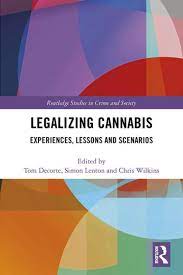
- Coral Gartner & Wayne Hall, Lessons from Tobacco Regulation for Cannabis Product Regulation, in Legalizing Cannabis: Experiences, Regulations and Scenarios 211-232 (Tom Decorte et al. eds., 2020).
- Kevin Sabet, Smokescreen: What the Marijuana Industry Doesn’t Want You to Know, 118 Med. 411 (2021).
- Tim Stockwell et al., Lessons Learn from the Alcohol Regulation Perspective, in Legalizing Cannabis: Experiences, Regulations and Scenarios 233-258 (Tom Decorte et al. eds., 2020).
- Brooke Worster, What Big Cannabis Can Learn from Big Tobacco, Think Global Health (Jan. 24, 2024),