DEPC releases “Considerations for Regulating Intoxicating Hemp Products”
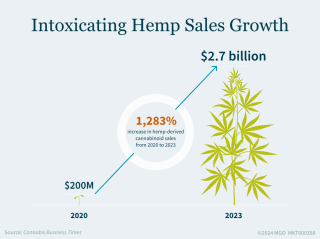
The 2018 Farm Bill removed legal barriers to industrial hemp production by removing hemp, defined as the plant cannabis sativa L. with a Delta-9 tetrahydrocannabinol (THC) concentration of not more than 0.3%, from the federal Controlled Substances Act. In response, Ohio enacted Senate Bill 57 in July 2019 and subsequently received one of the first hemp production approvals from the U.S. Department of Agriculture in December 2019. But unlike production in the 19th and early 20th century, the vast majority of today’s hemp industry revenue is derived from the plant’s production of cannabinoid metabolites. These metabolites are used not only in their original form as non-euphoric additives in a variety of products, but also to extract psychoactive substances such as Delta-8 tetrahydrocannabinol. Delta-8 THC and similar compounds are used to produce intoxicating consumer products that currently exist in a legal gray area under federal law. The resulting proliferation of these products in many retail outlets has led to concerns among policymakers and public health experts about their safety, quality, and marketing. Amid calls for more federal oversight in this arena, many states have taken specific steps under state law to regulate intoxicating hemp products in various ways, but Ohio is currently among a minority of states with no or minimal regulations for these products. This report highlights the main areas of concern in respect to intoxicating hemp products including use by youth and children’s accidental exposure, consumer safety, and interests of the hemp and adult-use marijuana industry. The report concludes with various steps Ohio can take in trying to balance the various concerns and priorities.